Finding Purpose Through Loss:
A Story of Strength, Science, and Service
Our friend Dr. Munfus-McCray has been busy; she was recently highlighted in a new podcast. This episode covers her history and her plans for the future.
Summary transcript from The Life We’re Given with Brandi:
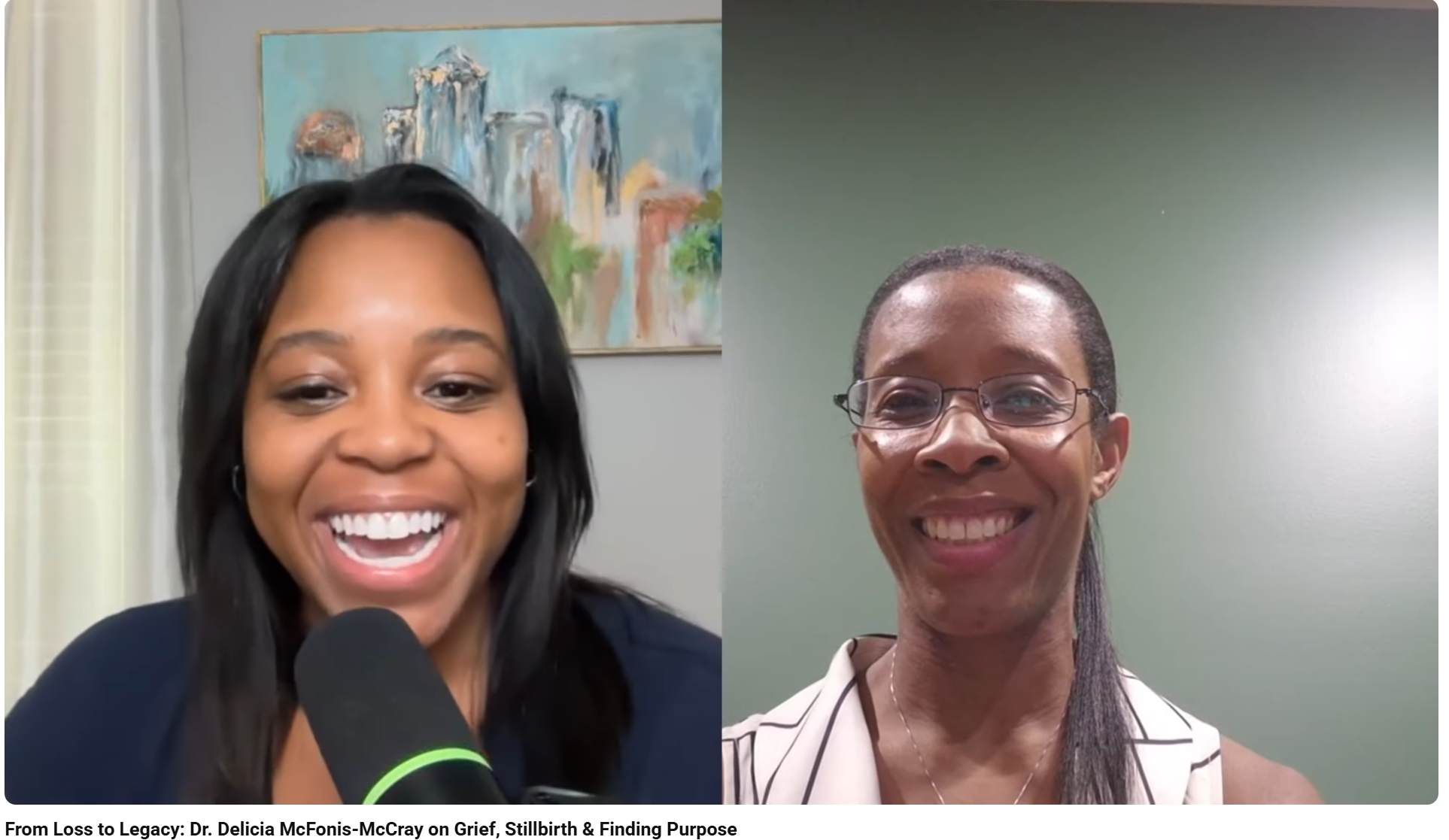
Today’s conversation is a powerful one—centered on resilience, grief, and purpose born from unimaginable loss.
Dr. Delicia Munfus- McCray, a pediatric perinatal pathologist whose life took an unexpected turn after the stillbirth of her daughter, has built a mission that is helping families across the country find answers, healing, and hope.
A Life-Changing Moment
What was supposed to be a joyful day—a routine OB-GYN visit and gender reveal—became the moment everything changed.
Dr. McCray and her husband brought their 8-year-old son along, excited to learn whether he’d have a brother or sister. Instead, they were told there was no heartbeat.
“As a pathologist, I knew what that meant,” she said. “But as a mother, you still hope they’re wrong.”
Her son’s response—“I had a sister?”—underscored a truth often overlooked: loss affects the entire family.
From Doctor to Mother on the Other Side
For years, Dr. McCray had performed hundreds of autopsies. But this time, she was on the other side.
“I didn’t want anyone cutting on my baby,” she explained. “I wanted everything done respectfully and with love.”
That moment sparked a shift in her perspective—and ultimately her life’s work.
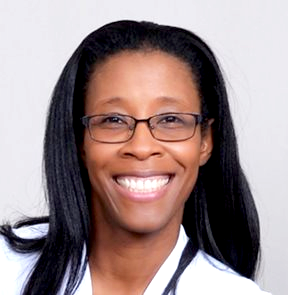
From Doctor to Mother
A New Approach
Non-Invasive Autopsies
Instead of a traditional autopsy, Dr. McCray performed a non-invasive examination of her daughter. Using her expertise, she was able to determine the cause of death, the timing, and—critically—the risk of recurrence.
“I found out immediately that my risk of recurrence was less than 5%,” she said. “That gave me peace.”
She realized something profound: every family deserves access to that same clarity.
Non-invasive autopsies rely on medical history, external examination, imaging, and placental analysis—without surgical procedures. In many cases, they can determine cause of death just as effectively.
“About 80% of the time, you don’t need an invasive autopsy,” she explained.
The Problem: Cost and Access
Traditional autopsies can cost around $5,000, while non-invasive ones average about $1,500. For grieving families already facing hospital bills and funeral costs, these services are often out of reach.
As a result, many parents never learn what happened—and are left with lingering guilt and unanswered questions.
Creating Priscilla’s Path

In honor of her daughter,
Dr. McCray founded Priscilla’s Path, a nonprofit dedicated to covering the cost of autopsies for families who cannot afford them.
Instead of just bringing food to a grieving family, people can donate so another family can get answers,” she said.
The organization helps fund both non-invasive and, when necessary, invasive autopsies, as well as genetic testing—ensuring families receive complete information.
To date, over 140 families have received answers through this work.
Want to learn more about Priscilla’s Path?
A Broader Issue
In Alabama alone, there are over 450 stillbirths each year. Yet without widespread autopsy access, the causes often remain unknown.
“We can’t prevent what we don’t understand,” Dr. McCray said.
She hopes to see legislative change—where autopsies for stillbirths are covered similarly to those performed in other circumstances.
Another Unexpected Journey: Autism
Two years after her loss, Dr. McCray became pregnant again. Her son Peter was later diagnosed with autism at age two and a half.
“He didn’t talk much, didn’t engage socially, and preferred to be alone,” she shared.
The diagnosis brought new challenges—daycare rejections, limited resources, and a steep learning curve.
Eventually, she made the difficult decision to leave her medical partnership and stay home to support her son.
“I realized I couldn’t take care of patients if no one would take care of my child.”
Turning Challenges into Creativity
Out of that experience came another passion: writing children’s books.
She created stories to help Peter learn communication, social skills, and emotional understanding—using rhythm and repetition inspired by books he already loved.
Her books focus on:
Kindness and empathy
Social interaction
Confidence and identity
Faith and reassurance
“I wanted him to know he’s loved—by us and by God—before the world could make him feel rejected.”
Her work has since expanded into a series of inclusive children’s books designed for all kids, especially those with special needs.
Redefining Strength and Purpose
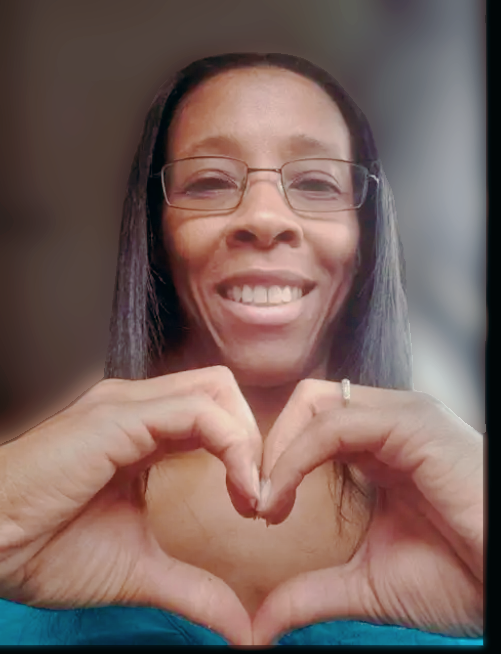
“Cry when you need to cry,
then get up and move forward.”
Through both loss and challenge, Dr. McCray discovered a deeper sense of purpose.
“I realized I’m stronger than I thought,” she said. “Life doesn’t have to be perfect to be meaningful.”
Her perspective is simple but powerful:
Grieve fully
Seek understanding
Then decide what comes next
“At some point, the tears stop. When they do, decide what you’re going to do.”
Advice for Others
For parents navigating grief, diagnosis, or uncertainty, she offers this:
Trust that you know what’s best for your child
Don’t let others’ opinions guide your decisions
Advocate relentlessly
Find supportive environments
And most importantly—keep going
“Cry when you need to cry. Then get up and move forward.”
Looking Ahead
Dr. McCray hopes to expand her nonprofit nationwide and advocate for policy changes that ensure every family has access to answers.
She also envisions her books reaching children across the country—helping build a more inclusive and compassionate world.
Final Thought
When asked what she wants people to take away from her story, she said:
“When something difficult happens, cry. But when the tears stop, find a way to use that experience to help someone else. We all need each other.”